
From the blood-soaked battlefields of Solferino to the Geneva Conventions of 1864, the Red Cross has grown into the world's largest neutral humanitarian network across 192 nations.
Origins & Milestones of the International Red Cross Movement
Photographic Archive & Historical Records
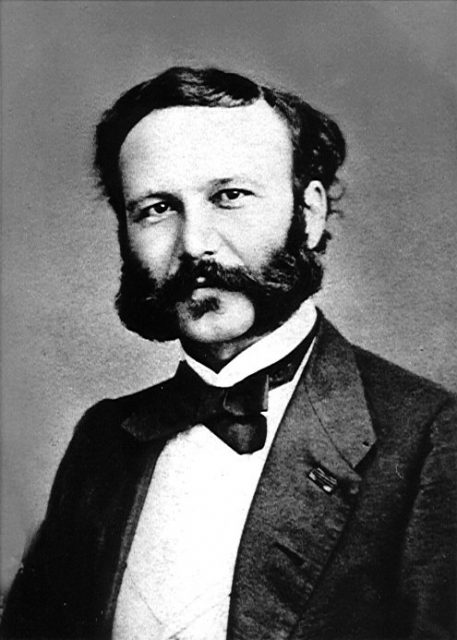
Henry Dunant – Visionary Founder
160 Years on the Side of Humanity
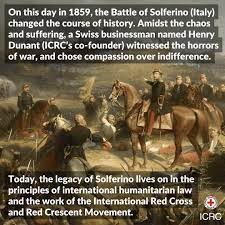
The Battleground of Solferino (1859)
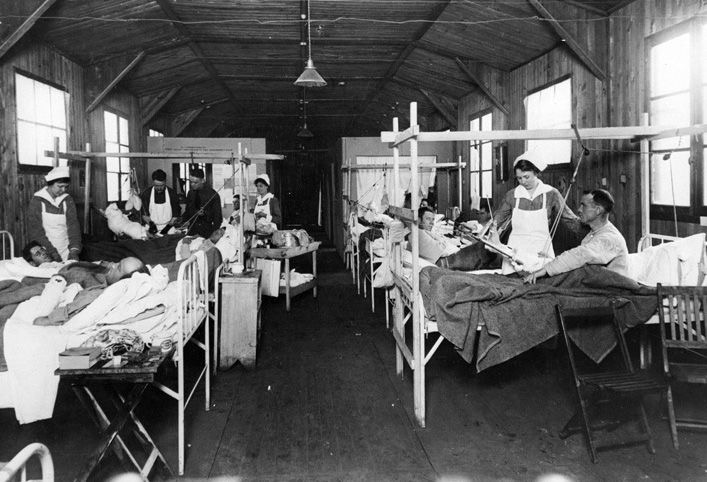
Signing of the First Geneva Convention
The Founding Committee of Five (1863)
Adoption of the Red Cross Emblem
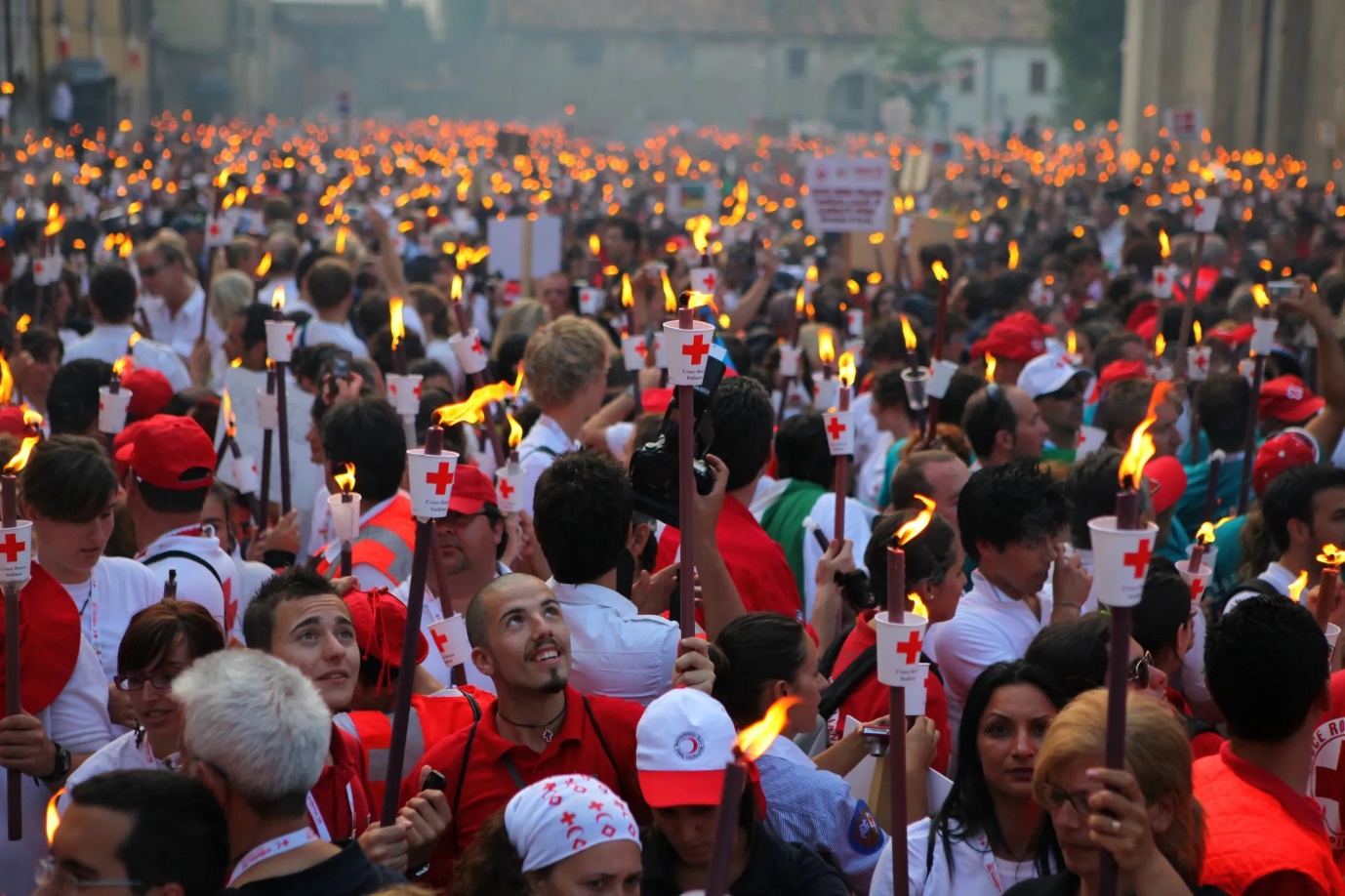
Expansion Across National Societies
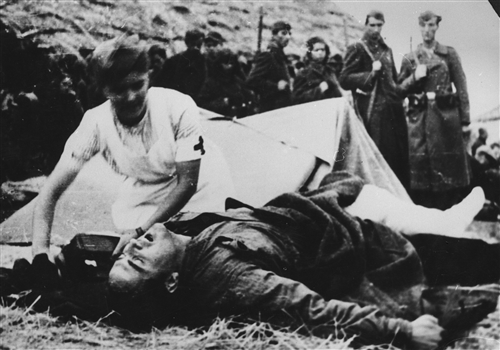
Early Battlefield Relief Units
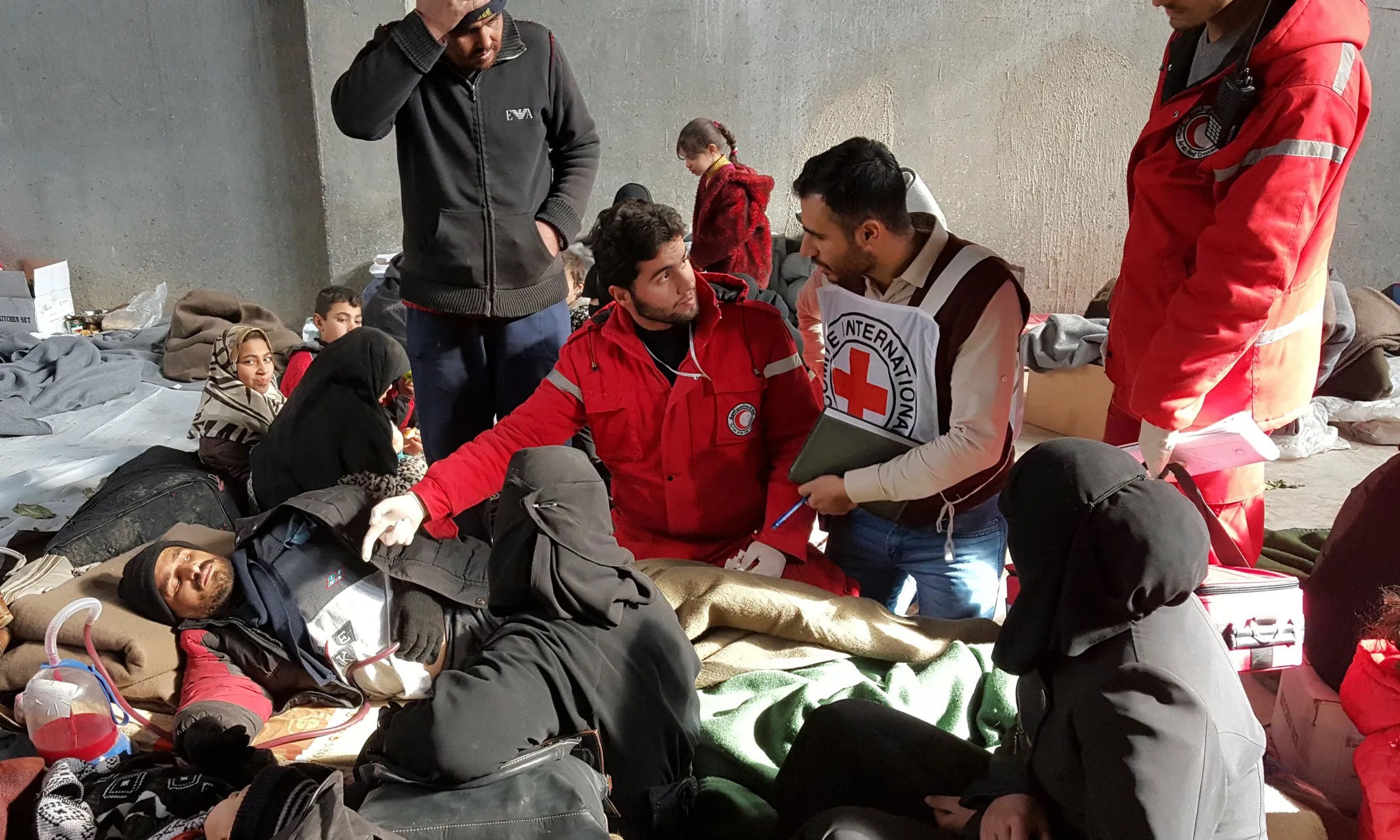
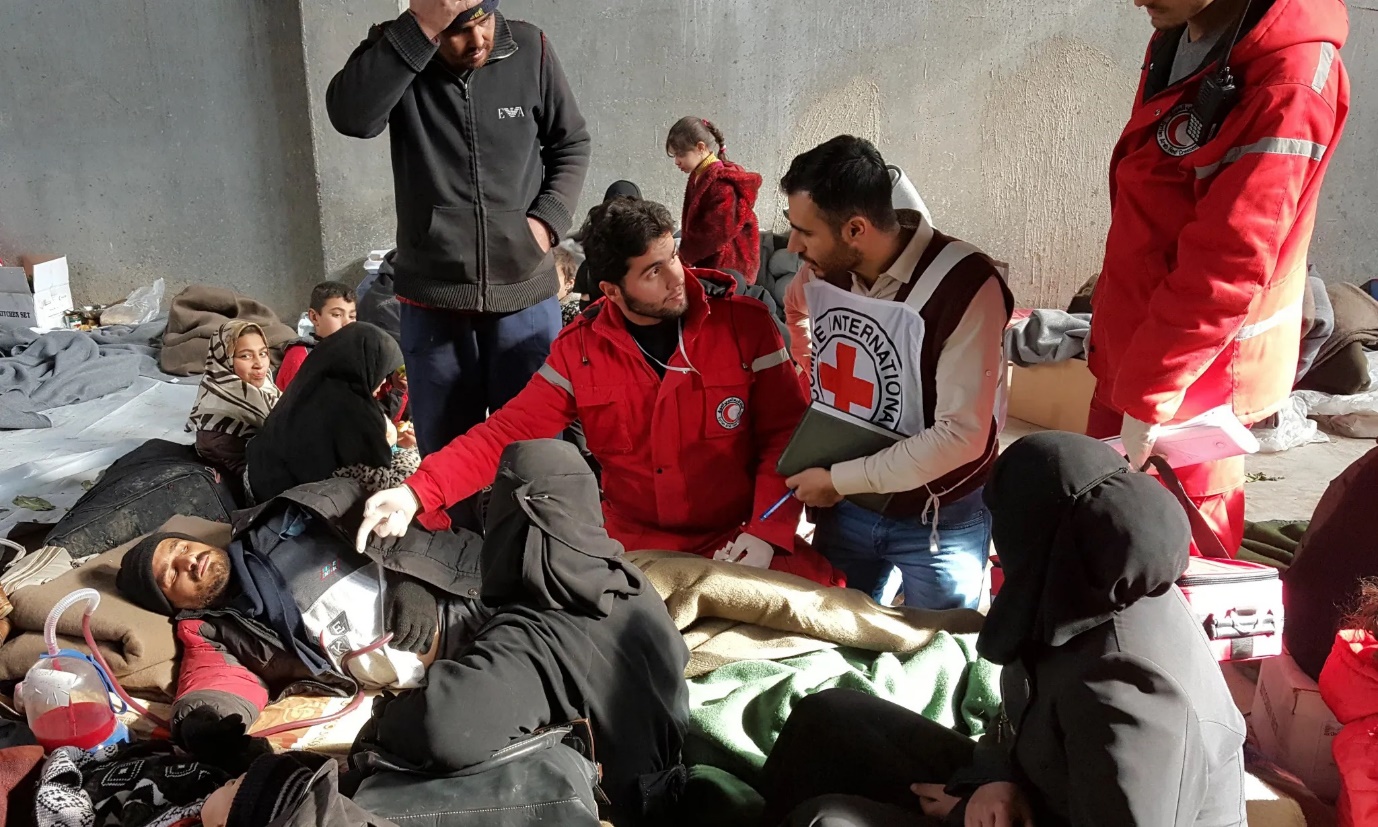
Neutral Humanitarian Missions in Crisis
Memoir that Sparked a Revolution
Indian Red Cross Genesis – Act XV 1920
.jpg)
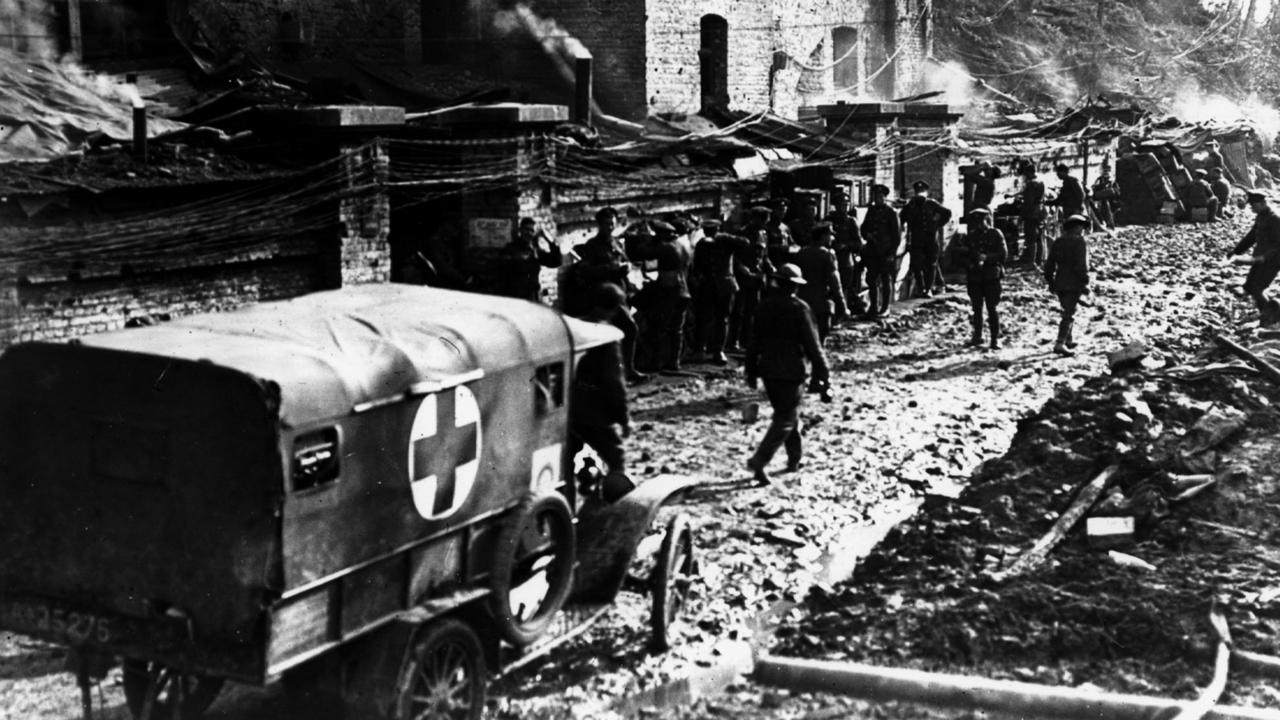
Joint War Committee Historical Mission
.jpg)
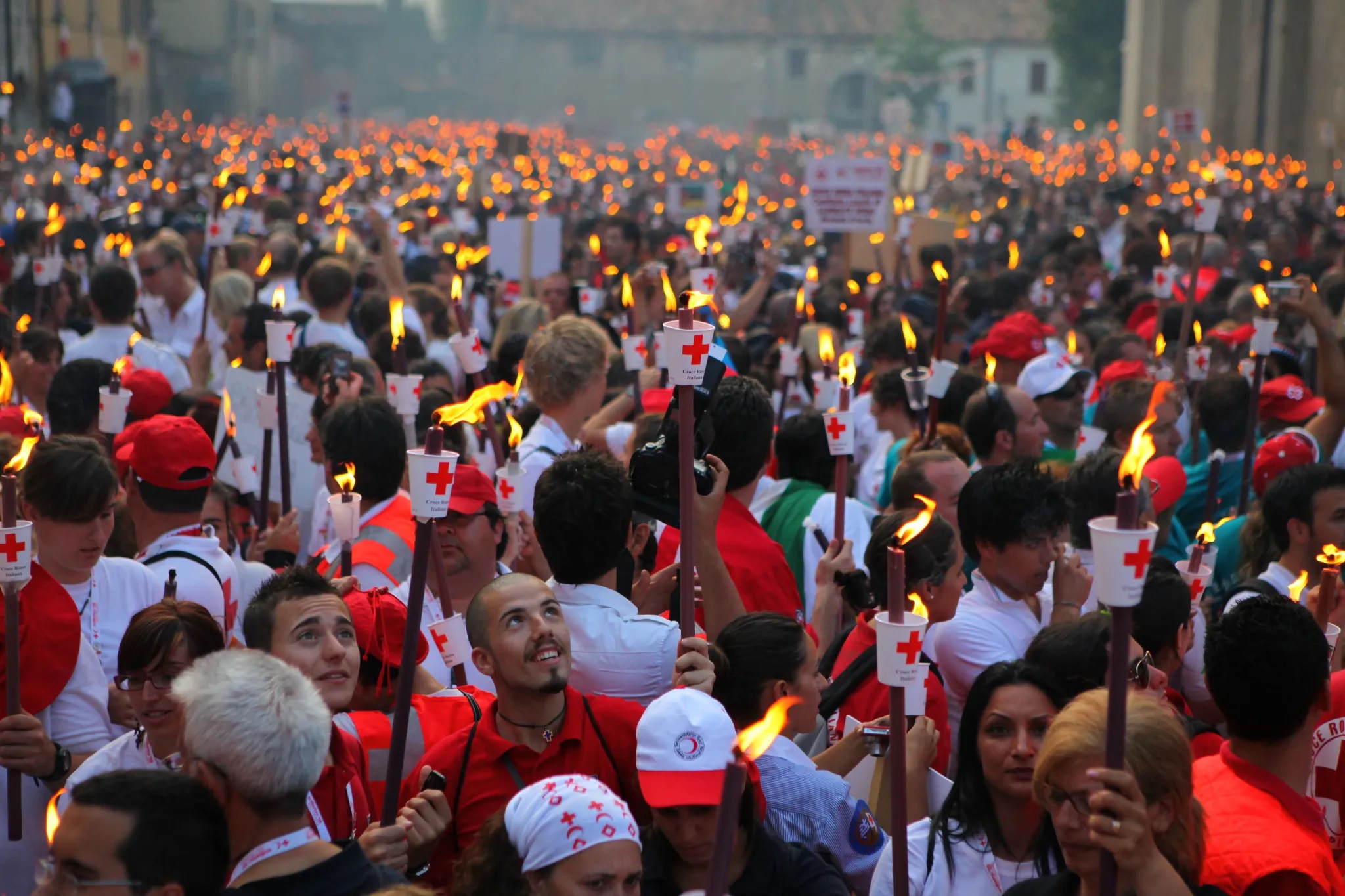
Peacetime Volunteer Formations
.jpg)
IFRC and ICRC Global Solidarity
Early First Aid & Ambulance Units
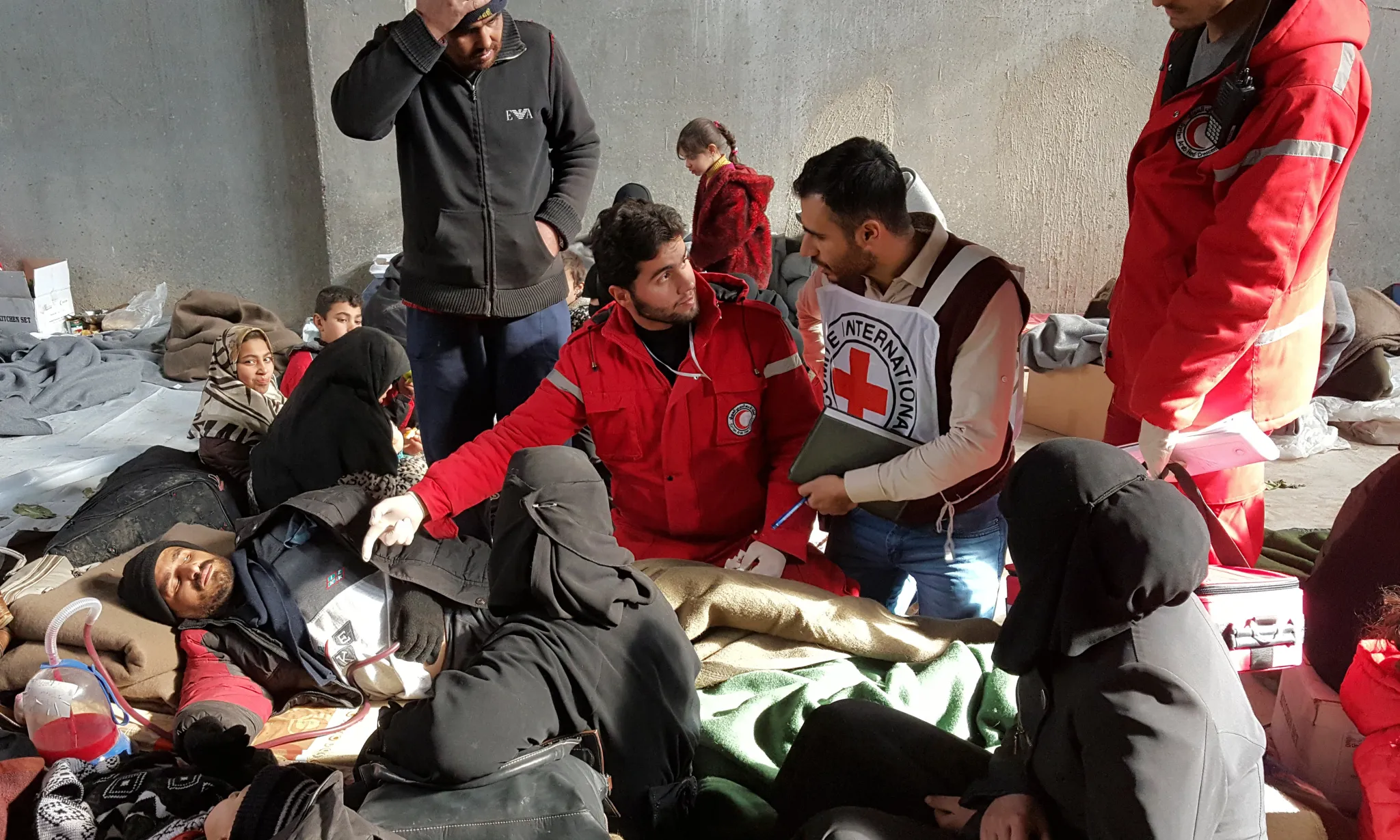
Medical Neutrality in the Modern Era
Battle of Solferino (1859)
Henry Dunant organized local citizens to nurse 40,000 abandoned casualties under the universal motto "Tutti fratelli" (All are brothers).
Geneva Convention (1864)
12 sovereign nations signed the First Geneva Convention, creating international legal protection for wounded soldiers and neutral medical personnel.
Indian Red Cross Act (1920)
Enacted under Parliament Act XV of 1920 to oversee national relief, evolving into a nationwide humanitarian network across state and district branches.
The Catalyst: A Battlefield That Changed History
The International Red Cross was born out of the horrors of a 19th-century battlefield and the uncompromising compassion of one Swiss businessman, Henry Dunant. In June 1859, while travelling through northern Italy for business, Dunant unexpectedly arrived in the aftermath of the ferocious Battle of Solferino between Franco-Sardinian and Austrian forces.
Over 40,000 soldiers lay wounded, dying, or dead across the hills and ditches with virtually zero military medical assistance. Overwhelmed by the agony around him, Dunant completely set aside his business plans. He mobilized local women and men in Castiglione to provide food, water, and emergency bandaging to injured soldiers from both opposing armies without distinction, repeating the unifying words: “Tutti fratelli” (All are brothers).
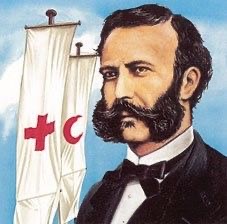
Henry Dunant – Visionary Founder
A Memory of Solferino & The First Geneva Convention
In 1862, haunted by the memory of the battlefield, Henry Dunant published his landmark book, Un Souvenir de Solférino (A Memory of Solferino). He proposed two visionary ideas that reshaped world history:
- Permanent Peacetime Relief Societies: National volunteer associations trained during peacetime to tend the sick and wounded during wartime.
- International Treaty of Protection: A binding legal agreement guaranteeing neutrality and non-combatant status to military medical corps, civilian volunteers, and wounded soldiers.
In February 1863, the Geneva Public Welfare Society formed a five-member committee comprising Henry Dunant, Gustave Moynier, General Guillaume-Henri Dufour, Dr. Louis Appia, and Dr. Théodore Maunoir – founding what became the International Committee of the Red Cross (ICRC). By August 1864, 12 European nations adopted the historic First Geneva Convention and codified the iconic Red Cross on a white background (the inversion of the Swiss flag) as a universal neutral emblem.
Signing of the First Geneva Convention
Evolution of the Indian Red Cross Society (Act XV of 1920)
During World War I, humanitarian relief across the subcontinent was steered by the Joint War Committee of the St. John Ambulance Association and the British Red Cross. Recognizing the urgent need for a dedicated, permanent domestic body, the Indian Red Cross Society (IRCS) was officially established in 1920 by an Act of the Indian Legislative Council (Parliament Act XV of 1920).
Since its enactment, the Indian Red Cross Society has grown into one of the largest humanitarian networks in the global south, encompassing more than 1,100 state, district, and sub-district branches. The District Branch Gautam Buddh Nagar carries forward this legendary tradition by safeguarding life, preventing disease, and delivering selfless disaster relief grounded in the fundamental principles of Humanity, Impartiality, Neutrality, Independence, Voluntary Service, Unity, and Universality.
Indian Red Cross Genesis – Act XV 1920
More than 160 years after Solferino, Henry Dunant's founding ideals continue to protect millions worldwide from unnecessary suffering and preserve human dignity in every crisis.